
General liability insurance for a typical real estate office can be relatively straightforward. Add meaningful property management operations, and the market becomes far more limited and volatile.
Many admitted insurance programs are comfortable with real estate sales but do not write property management at all. A handful of regional carriers can sometimes provide strong coverage, but their availability and appetite vary by state. Admitted options become especially limited for firms managing homeowners associations, condominium associations, apartment buildings, commercial properties, vacation rentals or a significant portfolio of properties under related ownership.
When a property manager falls outside that narrow appetite, coverage often moves into the surplus-lines or non-standard market. That does not automatically make the policy bad, but it usually means less consistency in pricing, forms, exclusions and underwriting requirements. Two quotes showing the same standard $1 million per occurrence/$2 million aggregate limits can provide materially different protection.
Why Property Management Is Treated Differently
A property manager may visit managed properties, coordinate repairs, hire vendors, respond to safety complaints, oversee common areas, arrange snow removal, manage pools or other amenities and communicate with tenants and owners about conditions at the property. Those activities create bodily injury and property damage exposures that do not fit neatly within a carrier's standard “real estate office” classification. A slip and fall in a common area, a dog bite at a managed home, an injury involving a pool or an allegation that a dangerous condition was not addressed can all pull the management firm into a claim.
Whether the firm performs maintenance in-house adds another layer. A manager that only coordinates independent vendors presents a different exposure than a firm whose employees or a related maintenance company perform repairs. Underwriters may ask about the type and cost of work, licensing, payroll, subcontracting, entity structure and whether the maintenance operation carries its own GL and workers' compensation coverage.
The broader the portfolio, the more questions underwriters tend to ask. Common pressure points include:
- HOA and condominium association management
- Commercial property management and leasing
- Vacation and short-term rental management
- Apartment buildings or properties with four or more units at one location
- Properties with pools, waterfront access or other amenities
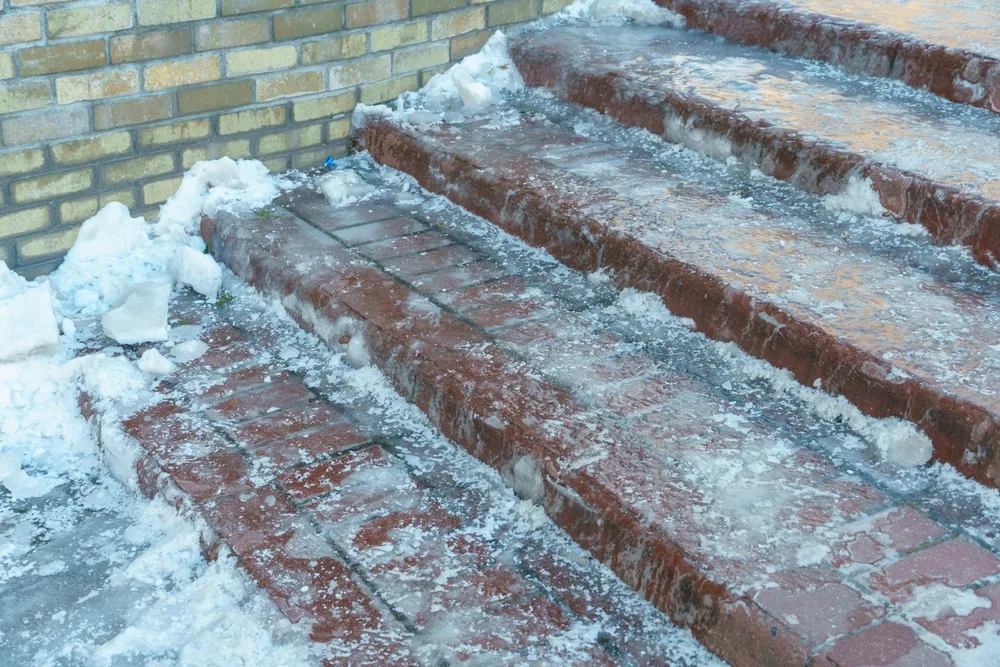
- Snow and ice removal responsibilities
- In-house maintenance operations
- Use of independent contractors and subcontractors
- Management of properties in which the firm, its owners or related entities have an ownership interest
A carrier that is comfortable insuring a residential brokerage may not be willing to insure all of these operations.
Standard GL Coverages Can Be Removed
Property managers often assume that a GL policy includes the familiar components of the standard form. In the non-standard market, that assumption can be costly. Some policies are written on a premises-only basis or otherwise restrict coverage away from the insured's scheduled office, even though most property-management exposures arise at managed properties.
Others remove products-completed operations coverage, which may leave claims involving completed maintenance or repairs outside the policy when the injury or damage occurs later.
Personal and Advertising Injury coverage can also be removed, despite being standard GL coverage that may include wrongful eviction, wrongful entry, invasion of the right of private occupancy, certain privacy violations, libel and slander. Other forms may restrict contractual liability or narrow additional-insured protection, affecting routine agreements with owners, associations and vendors.
Takeaway: Do not evaluate a property-management GL policy solely by its overall limit and premium. Confirm that the expected coverage parts remain intact after every endorsement is applied.
Common Property-Specific Exclusions and Sublimits
Surplus-lines property-management policies can also contain exclusions or reduced limits for the very hazards found throughout a managed portfolio. Examples include:
- Animals and animal-related injuries
- Swimming pools, water hazards and waterfront exposures
- Assault and battery
- Firearms and other weapons
- Snow and ice removal
- Habitability claims
- Abuse or molestation
- Injuries to contractors, subcontractors and other workers
The wording matters. One policy may exclude an exposure entirely, while another offers a compromise instead of full limits, such as $250,000 for water-hazard claims or $25,000 for animal or assault-and-battery claims. Those sublimits are better than a complete exclusion, but they remain far below the standard $1 million occurrence limit. Another policy may retain broader coverage subject to a higher deductible or specific risk-management conditions.
These are not remote exposures for property managers. A tenant may allege that a dog was improperly screened, an association may be sued after an incident at a community pool, or an injured person may allege that the manager failed to address criminal activity or an unsafe condition. An exclusion can remove coverage even when the management firm is named in the lawsuit because of its alleged oversight. The issue is that the market is so limited, there are times when this is the only available coverage. For example, a firm that has not maintained GL coverage in the past may need to go with a less ideal surplus policy to begin, in order to build a coverage history.
Takeaway: The closer an exclusion is to the actual properties and services being managed, the more consequential it is.
Subcontractor Requirements Can Become Conditions to Coverage
Property managers frequently hire or coordinate plumbers, electricians, handymen, landscapers, snow-removal contractors and other vendors. Some GL policies treat contractor controls as underwriting expectations. Others make compliance a condition of coverage.
A restrictive endorsement may require the property manager to obtain all of the following before work begins:
- A written contract containing defense, indemnification and hold-harmless provisions
- Commercial general liability limits equal to or greater than the property manager's limits
- Additional insured status for ongoing and completed operations
- Primary and noncontributory wording
- Current certificates of insurance
These are certainly best practices. But in terms of being a coverage requirement, if one document is missing or one contractor carries lower limits, the consequence may be a coverage issue, or an increased audit bill. Depending on the endorsement, the policy may exclude the claim or impose a substantial additional deductible. Some policies also broadly exclude bodily injury to employees, contractors, casual laborers, volunteers and other workers, including claims brought against the property manager by people who are not its direct employees.
Hired and Non-Owned Auto Coverage
Property managers and employees routinely drive personal vehicles for property inspections, bank deposits, meetings and other business errands. The firm may also rent a vehicle for business use.
Hired and Non-Owned Auto liability can protect the business when it is sued after an accident involving a rented vehicle or an employee's personal vehicle used for company business. It does not replace the driver's personal auto insurance, but it can address the company's vicarious liability.
This coverage is not automatically included in every property-management GL quote. It may need to be added by endorsement, and some programs do not offer it at all (or only in some states).
The GL Policy Can Affect E&O Coverage
Property managers also need to understand how their GL and E&O policies interact.
Contingent bodily injury and property damage E&O applies to claims alleging that negligence in the firm's professional services caused an injury or damaged property. Examples include an alleged failure to respond to a loose handrail, arrange a leak repair, address unsafe deck boards or disclose a hazardous condition. GL may address the premises or operational side of the occurrence, but it almost always excludes claims arising from professional services. That is why the two policies must work together.
E&O wording often makes the GL structure especially important. As a condition of the broader contingent BI/PD coverage, the insured often must maintain GL with at least $1 million per claim or occurrence of a standard general liability policy, which is usually defined or understood to include both premises/operations liability and products/completed operations coverage. Any claim that may fall under the GL must be submitted to that carrier, and the E&O coverage applies excess over the GL.
If the insured carries GL but it does not include the required premises/operations and products/completed operations coverage, the E&O endorsement limits all covered contingent BI/PD damages and claim expenses to a $250,000 aggregate, within and not in addition to the overall E&O limit. In other words, a GL endorsement that removes one of these core coverage components can also materially reduce the available contingent BI/PD protection under the E&O policy.
This matters because contingent BI/PD is one of the most important E&O exposures for property managers. A tenant or guest may allege sickness, injury, emotional distress, loss of use or property damage resulting from the manager's professional services. The E&O wording only applies when the insured's act or omission in providing covered Real Estate Professional Services was a proximate cause and no other policy applies, subject to all policy terms and exclusions. Here's an article on why it is important for PMs to have BI/PD on their E&O. Keep in mind that many PM E&O programs sublimit this coverage to a much lower amount, or exclude it entirely.
Takeaway: A strong contingent bodily injury/property damage provision in the E&O policy does not cure a poorly structured GL policy. Premises/operations and products/completed operations coverage can directly affect how much E&O protection remains available.
Why Pricing Can Change So Dramatically
Once an account moves outside the admitted market, pricing can vary widely. Carriers may rate the same firm differently based on revenue, number and type of properties, unit count, amenities, maintenance responsibilities, contractor costs, related ownership and loss history.
One market may offer a lower premium but attach exclusions for animals, water hazards, assault and battery or contractor-related claims. Another may charge considerably more but retain broader protection. Comparing premiums without comparing forms can make the less expensive option look better than it is. Surplus-lines policies may also include taxes, stamping fees and minimum-earned-premium provisions that are not reflected in the initial base premium. They are often subject to more extensive applications, supplemental questionnaires and binding subjectivities.
The challenge is not simply finding the cheapest GL policy. It is determining which exposures the quoted premium actually transfers. Premium rates vary from a few dollars per thousand in sales to sometimes $12+ per thousand in gross sales. Sometimes a cheap price is simply because the policy was rated on an incorrect sales figure.
If you would like a second set of eyes on your property-management GL policy, I am happy to review the full policy with you and explain how its exclusions and endorsements interact with your E&O coverage. Here's a link to my calendar to schedule a review.
Coverage depends on the facts of the claim and the specific terms, conditions, exclusions, limits and endorsements of the policy. This article is for general summary and educational purposes only.